The Ultimate Guide to Authentic Shreddable Hyderabadi Haleem for 30 People

 How to make hyderabadi mutton Haleem at home restaurant style Imagine the warm glow of lanterns at a big family gathering. The air fills with a rich, savory aroma that draws everyone to the table. That's the magic of Hyderabadi Haleem—a hearty stew that turns simple ingredients into a feast. This dish shines during festivals like Ramzan or Eid, packed with proteins and carbs for energy. Our recipe scales up to feed 30 hungry guests, focusing on that signature "reshadar" texture where the meat shreds into silky strands. If you've ever craved a bowl that comforts the soul, stick around. We'll walk you through every step to nail this authentic version at home.

Hyderabadi Haleem stands out in Indian cuisine for its slow-cooked blend of wheat, lentils, and tender mutton. It started as a nourishing meal for travelers but evolved into a celebratory staple in Hyderabad. The key lies in patience: soaking, grinding, and stirring create a porridge-like base that's both filling and flavorful. This large-batch guide ensures you get consistent results, even for a crowd. Think of it as building layers of taste, much like stacking bricks for a sturdy wall.

Section 1: Preparing the Foundation—Grains and Lentil Base

Start with the heart of Haleem: the grains and lentils. They break down into a creamy base that soaks up all the meaty goodness. Without this step, your dish won't have that smooth, comforting feel.

Calculating and Soaking the Essential Grains

Measure out 500 grams of wheat daliya, which is broken wheat. Add 100 grams of Basmati rice to the mix. These form the bulk that gives Haleem its body.

Soak them for 5 to 6 hours in plenty of water. You can leave them overnight if that fits your schedule better. This softens the grains so they cook evenly and blend well.

Soaking matters a lot. It cuts down cooking time and prevents tough bits in your final stew. Drain the water before moving on, but save the habit for better results every time.


Selecting and Preparing the Lentils

Grab 100 grams of masoor dal, the red lentils that add earthiness. Wash them under running water until the rinse runs clear. A handful of almonds goes in too, if you like—they're optional but boost the nutty depth.

Almonds make the Haleem richer without overpowering the taste. Rinse everything together to remove any dirt or debris. Clean ingredients lead to a pure flavor.

Throw in the soaked lentils with the grains. This combo creates a balanced base that's nutritious and easy to digest. Red lentils cook fast, so they mesh perfectly here.

Grinding the Soaked Base into a Smooth Paste

Once soaked, drain and grind the grains, lentils, and almonds in a blender. Aim for a fine paste with no big chunks. Add a splash of water if it sticks, but keep it thick.

A smooth paste is crucial. It ensures your Haleem turns creamy instead of grainy. Test a small bit—if it feels gritty, blend more.

This step takes about 10 minutes with a good machine. Patience here pays off in the end. Your base is now ready to meet the meat.

Section 2: Cooking the Mutton for Ultimate Tenderness

Mutton brings the protein punch to Hyderabadi Haleem. Cook it right, and it shreds into those irresistible fibers. This section covers how to make it melt-in-your-mouth soft.


Marinating the 3 KG Mutton (The Flavor Infusion)

Take 3 kilograms of fresh mutton, bones and all for extra flavor. Mix in half a kilogram of plain yogurt to tenderize it. Chop 10 green chilies and toss them in for a kick.

Add whole spices: 1 teaspoon kebab chini, half a teaspoon cloves, half a teaspoon black peppercorns, 12 more cloves, 4 cinnamon sticks, and a few star anise. Sprinkle a handful of chopped mint and coriander leaves. Season with salt to your taste, then rub everything into the meat.

Let it marinate for at least an hour. The yogurt breaks down the fibers, while spices infuse deep aroma. This marinade is what sets authentic Haleem apart from bland stews.

Pressure Cooking vs. Open Cooking the Meat

Use an Instant Pot for speed, or a regular pressure cooker if that's what you have. Add just enough water to cover the meat—about 2 cups for the pot method. Seal and cook on high pressure for 45 minutes until tender.

If you prefer open cooking on the stove, simmer in a heavy pot for 2 to 3 hours. Stir now and then, adding water as needed. The goal is meat that falls off the bone easily.

Pressure cooking saves time for big batches like this. But open cooking lets you watch the stock build flavor slowly. Either way, check doneness by poking the meat—it should shred with a fork.

Separating Meat and Preserving the Stock (Korma)

Once cooked, strain the mutton. Pour the liquid through a sieve to catch the flavorful stock, called korma. Let the meat cool a bit.

Pick out the bones and shred the mutton finely by hand. Pull it into thin strands for that classic reshadar look. The stock goes into a bowl—don't toss it.

Shredding by hand takes effort but gives the best texture. Save some fat from the top of the korma for garnishing later. This stock is gold; it'll enrich your Haleem base.

Section 3: Developing the Haleem Texture

Now combine everything. This is where the magic happens—the grains meet the meat in a symphony of flavors. Stir often to build that perfect consistency.

Cooking the Grain Paste in Broth

Pour 5 liters of water into a large pot. Add salt to taste and bring it to a rolling boil. Slowly stir in your ground grain and lentil paste.

Keep the flame high and mix nonstop for the first 20 minutes. This stops lumps from forming and helps the paste thicken. Watch the pot—it bubbles like a witch's brew at first.

Continuous stirring is key here. Without it, you'll end up with uneven bits. After 20 minutes, the base should look like a thick porridge.

Integrating Flavors: Meat Stock and Ground Spices

Pour in the reserved korma stock. It adds savory depth from the mutton. Then grind 1 teaspoon red chilies, 1 teaspoon kebab chini, and black pepper into a powder—sprinkle it over.

Lower the heat to medium. Keep stirring as the flavors meld. The spices wake up the dish, turning it from plain to extraordinary.

This integration step builds layers. The stock moistens the dry base, while spices add warmth. Taste and adjust salt now.

Finalizing Consistency and Richness

Fry half a kilogram of onions until golden and crisp, like for biryani. Add most of them to the pot, saving some for topping. Stir in 300 grams of pure ghee for that glossy shine—or use oil if you prefer lighter.

Pour in one cup of raw milk and half a bunch of chopped coriander. Cook on medium for another 30 minutes, stirring all the way. The Haleem thickens to a velvety smooth state.

Ghee makes it indulgent, perfect for a crowd pleaser. The milk softens the edges of the spices. By now, your kitchen smells like a Hyderabad street food stall.

Section 4: Garnishing and Serving the Grand Haleem

Presentation matters, especially for 30 people. A pretty garnish turns good Haleem into unforgettable. Serve hot to keep the warmth in.

Preparing the Aromatic Garnish Mix

Scoop out a bit of the ghee from the korma earlier. Fry a handful of cashews until golden. Chop fresh coriander and mint finely.

Mix these with the leftover fried onions. This combo adds crunch and freshness. Keep it ready on the side.

Simple garnishes elevate the dish. They contrast the soft Haleem with crisp bits. Prep them while the pot simmers.

The Presentation: Layering the Final Dish

Turn off the heat after the 30-minute cook. Drizzle the reserved ghee on top first. Scatter fried onions, cashews, and herbs evenly.

Squeeze lemon wedges over each serving for a zesty lift. Ladle into bowls right away. The steam rises, inviting everyone to dig in.

Layering keeps flavors separate until the last bite. Lemon cuts through the richness. It's ready—pass the spoons.

Key Takeaways for Large-Scale Success

Soak grains well to avoid chewiness. Stir constantly during cooking to prevent lumps. Shred mutton thin for true reshadar texture.

Scale spices if needed, but taste as you go. Use a big pot for even heat. These tips make big batches foolproof.

Practice on a small scale first. Success comes from following the steps closely.

Conclusion: The Taste of Tradition Served Large

Hyderabadi Haleem captures the essence of shared meals with its blend of tender shreds, creamy grains, and bold spices. We've covered soaking the base, cooking the mutton just right, mixing flavors, and garnishing with care—all for 30 servings. This recipe honors tradition while fitting modern kitchens.

The effort rewards you with a dish that warms hearts and fills plates. Next time you host a gathering, try this authentic shreddable version. Your guests will rave—grab your apron and start cooking today.

 Asparagus offers numerous health benefits due to its nutrient-rich composition. Here are some of its advantages:

1.Nutrient Density: Asparagus is packed with essential nutrients such as vitamins A, C, E, and K, along with folate, iron, potassium, and fiber. These nutrients play vital roles in supporting various bodily functions, including immunity and digestion.

2.Antioxidant Properties: Asparagus contains antioxidants like vitamins A, C, and E, as well as flavonoids and polyphenols. These antioxidants help combat harmful free radicals, potentially reducing the risk of chronic diseases like heart disease and cancer.

3. Heart Health: With folate, potassium, and fiber, asparagus supports heart health. Folate helps lower homocysteine levels, potassium regulates blood pressure, and fiber assists in managing cholesterol levels.


4.Digestive Support: The fiber content in asparagus promotes digestive health by aiding regular bowel movements and maintaining a healthy gut environment.

5.Anti-inflammatory Effects: Compounds found in asparagus, such as saponins, exhibit anti-inflammatory properties, which may help reduce the risk of chronic inflammatory conditions.

6.Weight Management: Asparagus is low in calories and rich in fiber, making it beneficial for weight loss or maintenance. Its fiber content helps keep you feeling full longer, aiding in appetite control.

7.Bone Strength: Asparagus contains vitamin K, which supports bone health by aiding calcium absorption and bone mineralization, potentially reducing the risk of osteoporosis.

8. Blood Sugar Regulation: With a low glycemic index, asparagus can help manage blood sugar levels, including for individuals with diabetes, by preventing rapid spikes in blood sugar levels.

9. Diuretic Effect: Asparagus contains asparagine, an amino acid with diuretic properties. This can promote urine production and help flush out excess salt and fluid from the body, benefiting conditions like high blood pressure or edema.

Incorporating asparagus into your diet can contribute to overall well-being, but remember, a balanced diet with a variety of foods is essential for optimal health.

Health Benefits of Eating Dates -Power houses of Nutrients -Dates

 Dates are not just tasty treats; they're powerhouses of goodness! Check out why they're so awesome:

1.Packed with Goodies: Dates are like nature's vitamin pills. They're loaded with potassium, magnesium, vitamin B6, and fiber, all of which are super important for keeping us healthy and happy.

2. Antioxidant Superstars: Ever heard of antioxidants? Well, dates are chock-full of them! These little heroes help our bodies fight off nasty stuff like inflammation and oxidative stress, lowering the risk of all sorts of diseases.

3. Happy Tummies: Got tummy troubles? Dates are here to save the day! Their fiber content keeps things moving smoothly in our digestive system, preventing constipation and keeping our gut bacteria happy.

4. Sweet, Sweet Energy: Need a pick-me-up? Dates are like nature's energy bars. They're full of natural sugars that give us a quick boost whenever we're feeling low on energy.


5. Heart Heroes: Our hearts love dates! They're packed with potassium and magnesium, which help keep our blood pressure in check and reduce the risk of heart disease. Plus, they can help lower "bad" cholesterol levels, keeping our tickers healthy.

6. Strong Bones: Want bones of steel? Dates can help! They're rich in calcium, phosphorus, and magnesium, all of which are essential for keeping our bones strong and healthy.

7. Anemia Avengers: Feeling tired and weak? Dates to the rescue! They're loaded with iron, which helps our bodies make hemoglobin and fight off pesky conditions like anemia.


8. Brain Boosters: Dates might even make us smarter! Some studies suggest that the antioxidants in dates could help keep our brains sharp as we age, lowering the risk of conditions like Alzheimer's.

9. Pregnancy Pal: Expecting a little bundle of joy? Dates are your new best friend! They're packed with folate, a vitamin that's crucial for a healthy pregnancy and baby.

So, next time you're craving something sweet, reach for a date! Your taste buds and your body will thank you for it.

Disclaimer: The information provided above is for general informational purposes only and should not be considered medical advice. While dates offer various potential health benefits, individual experiences may vary, and it's essential to consult with a healthcare professional before making any significant changes to your diet or lifestyle, especially if you have specific health concerns or conditions. Additionally, moderation is key when consuming any food, including dates, as excessive consumption may lead to adverse effects. Always remember to listen to your body and make informed decisions about your health and nutrition.

Okra -The Superfood with lots of Digestive Benefits

 Okra, also known as ladyfinger or gumbo, is a nutritious vegetable that offers several health benefits. Here are some of the potential health benefits of okra:

1. Rich in Nutrients:Okra is packed with essential vitamins and minerals, including vitamin C, vitamin K, vitamin A, folate, and various B vitamins. It also provides minerals such as potassium, magnesium, and calcium.

2.High in Fiber:Okra is known for its high fiber content, which includes both soluble and insoluble fiber. This can aid in promoting digestive health, preventing constipation, and supporting a healthy weight.

3. Antioxidant Properties:Okra contains natural antioxidants, including flavonoids and polyphenolsThese antioxidants aid in the body's reduction of oxidative stress and inflammation by scavenging free radicals.

4. Heart Health: The fiber, antioxidants, and potassium in okra contribute to heart health. Dietary fiber can help lower cholesterol levels, and potassium plays a role in regulating blood pressure.

5. Blood Sugar Control: Some studies suggest that okra may have a positive impact on blood sugar levels. The soluble fiber in okra may help slow down the absorption of sugar, contributing to better blood sugar control.


6. Weight Management:Okra's fiber content can contribute to a feeling of fullness, potentially reducing overall calorie intake and supporting weight management.

7. Supports Digestive Health: The mucilage and fiber in okra can support a healthy digestive system by promoting regular bowel movements and preventing constipation.

8. Anti-Inflammatory Effects:Okra has been studied for potential anti-inflammatory properties, which may be beneficial in managing inflammation-related conditions.

9. Bone Health:Okra contains vitamin K, which is important for bone health as it contributes to proper blood clotting and bone mineralization.

10.Skin Health:The antioxidants in okra may contribute to healthier skin by protecting against oxidative stress and supporting collagen production.

Always consult with a healthcare professional or a registered dietitian before making significant changes to your diet, especially if you have underlying health conditions or concerns.

Top 10 Health Benefits of Turmeric -Haldi Benefits

Turmeric, a bright and distinctive spice obtained from the Curcuma longa plant, holds a rich history in both culinary and medicinal practices. With its active component, curcumin, turmeric is celebrated for its potential health advantages. Beyond its culinary uses, it is recognized for its anti-inflammatory and antioxidant properties, suggesting possible support for joint health, heart function, and overall well-being. Cherished across diverse cultures for centuries, turmeric stands out for its versatility and potential contributions to a healthy lifestyle.

The key compound responsible for these benefits is known as curcumin. Let's explore some of the ways turmeric may contribute to overall well-being:

Top 10 Health Benefits of Turmeric :


1.Anti-Inflammatory Properties:Curcumin, renowned for its potent anti-inflammatory effects, may be beneficial in managing conditions associated with chronic inflammation.

2. Antioxidant Activity:Turmeric exhibits antioxidant properties, assisting in neutralizing free radicals and reducing oxidative stress within the body.

3.Joint Health:Some studies suggest potential benefits of turmeric in managing joint conditions, attributed to its anti-inflammatory properties.


4. Heart Health:Curcumin may contribute to heart health by enhancing the function of the endothelium, the lining of blood vessels. It may also help lower the risk of heart disease by addressing other risk factors.

5. Brain Health: Ongoing research explores the potential cognitive benefits of curcumin, including its ability to cross the blood-brain barrier and its anti-inflammatory and antioxidant effects.

6. Cancer Prevention:Some studies propose that curcumin may have anticancer properties, inhibiting the growth and spread of cancer cells However more research is going on this cancer prevention studies.

7. Digestive Health: Turmeric may support digestive health by promoting bile production and aiding in the breakdown of fats.

8. Diabetes Management:Curcumin may have potential benefits for individuals with diabetes by helping regulate blood sugar levels.

9. Skin Conditions: Turmeric has been applied topically for various skin issues, and its anti-inflammatory properties may play a role in managing certain skin conditions.

10. Anti-Microbial Properties: Turmeric exhibits antimicrobial properties, potentially assisting in combating infections and supporting overall immune function.


It's important to note that while turmeric and curcumin offer potential health benefits, the body's ability to absorb curcumin is limited. Combining turmeric with black pepper, containing piperine, can enhance curcumin absorption. Before incorporating turmeric supplements, it's advisable to consult with a healthcare professional, especially if you have underlying health conditions or are taking medications, as turmeric may interact with certain drugs.

Disclaimer:

The information provided above is intended for general informational purposes only and should not be considered as professional advice. While efforts have been made to present accurate and up-to-date information, individual circumstances may vary, and specific health conditions or concerns should be discussed with a qualified healthcare professional. 

The consumption of turmeric or any supplement should be approached with caution, and it is advisable to seek personalized medical guidance before making significant changes to one's diet or health regimen. The author and the platform disclaim any liability for any adverse effects or consequences resulting from the use of the information provided.

Hyderabadi Recipe Kaleji (Liver) Masala Bakrid Special No Pressure Cooker Soft & Delicious Recipe

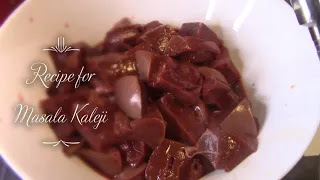
Hyderabadi Recipe Kaleji Masala is easy to make at home with lots of flavour first thing first this recipe is made at home without pressure cooker im my kitchen Hyderabadirelish

 Kaleji, also known as "liver" in English, refers to the organ meat of animals, usually cows, goats, or chickens. It is a common ingredient in many cuisines around the world, including Indian, Pakistani, Middle Eastern and Western cuisines. Kaleji is highly nutritious and a good source of essential nutrients such as protein, iron, vitamins and minerals. When cooked well, it has a distinct flavor and a soft, slightly grainy texture. It can be prepared in a variety of ways, including frying, roasting, grilling or as part of stews and curries. In Indian and Pakistani cuisine, kale is often used in dishes such as Kaleji Masala (spiced liver), Kaleji Fry (fried liver) or added to biryanis and kebabs to add flavor and texture. It is known for its rich and intense taste, accentuated by various spices.


Recipe of Kaleji masala also known as  Hyderabadi recipe Kaleji ka salan :in this recipe, first kaleji (Lamb liver) is washed thoroughly and cleaned then our goal is to remove the smell of kaleji for this we will mix bunch of crushed garlic and rubb totally on kaleji and  keep it aside for half hour after that wash again with water this will rinse all garlic .check other Mutton Recipe 

Hyderabadi recipe Kaleji Masala Ingredients

Step 1 Marinade that goes on Kaleji:
 
Kaleji (Lamb liver)  500 gm
Garlic Pods               10 
Ginger garlic paste   3 Tbs
Red Chilli powder    2 Tsp
Turmeric powder      1/2 Tsp
Salt to Taste    
Cumin powder           1 Tsp        
Coriander powder      1 Tsp
Yogurt (Curd)             6 Tbs

Step 2 Cooking Ingredients 

Cooking Oil                      3/4 cup
Bay Leaves                       2
Cloves                               5
Cinnamonsticks                3
Black Cumin                    1/2 tsp
Cardamom big                  2
medium size onion           2
Chopped cilantro              1/2 bunch
Green chilli Chopped      2
diced tomatoes                2 

Step 3 Garnishing Ingredients

Chilli Flakes 1/2 tsp
Lemon Juice 1 Tsp
Kasoori Methi 1/2 tsp

After washing Kaleji Marinade it with ingredients that goes on kaleji in step 1 once marinated keep this on a side we will need this in future stage .Next we will cook the gravy of the kaleji we will use step 2 ingredients .Add cooking oil to frying pan add bay leaves ,cloves,cinnamon sticks,black cumin & Cardamom Fry it on medium flame .once the cooking oil fragnces changes then add Diced onions saute in on medium low flame .Once light Pink onion color add marinated Kaleji to this mixture from step 1 saute it and keep cooking it on medium low flame with 1/2 cup of water.after cooking for 15 minutes stir it well and cook for another 15 minutes once cooking is done kaleji will be tendernow we add chopped cilanto and green chilli mix it well and cook for 5 minutes then we add diced tomatoes and let it cook for another 15 minutes.
Hyderabadi recipeKaleji


Kaleji Masala


After this step your kitchen will smell like kaleji full of aroma allover kitchen and we will garnish this kaleji with Chilli flakes and drizzle of lemon juice .To enhance the flavour of kaleji we top it off with crushed kasoori methi and finalise the touch with garam masala .after this step check the consistency of kaleji if it is thick gravy then adjust it with few tablespoons of water and enjoy Hyderabadi recipe kaleji masala with Naan (Flatbread)
follow the recipe Step by recipe 


Recipe of Making Yogurt at home :Thick & Creamy Homemade Yogurt Recipe Just Add This Ingredient without Yogurt maker

Yogurt Health Wise is A popular dairy product created by fermenting milk with beneficial microorganisms. Heating milk, cooling it to a certain temperature and adding live bacteria, usually Lactobacillus bulgaricus and Streptococcus thermophilus, are the steps that create yogurt. By fermenting the lactose in milk into lactic acid, these bacteria give yogurt its distinctive tangy flavor and thick consistency.

One of the many health benefits of yogurt is probiotics, which can support digestive health by maintaining a healthy balance of intestinal flora. In addition, it also contains a lot of protein, calcium, other vitamins and minerals. Yogurt is often used in a variety of dishes, from morning parfaits to smoothies to desserts. It can be consumed plain or flavored.


Recipe of Making  Yogurt at home is very easy and can be made like store bought but tastes more flavourful than the other .Simple method we will follow cooking time for this recipe is just 10 minutes but we need to wait till it settles to thick consistency will atleast takes 10 hrs for good results its always advisable to wait for 12 hours for thick and creamy Yogurt. We will not use any yogurt makers we will be making this recipe in a traditional way 
.Yogurt is one the main ingredient in Hyderabadi Biryani


Firstly to start with take heavy bottom pan add 1 Litre of Full fat milk boil it on high flame till the milk is about to overflow from the vessel now after this let this milk cool off for like 15 minutes 
After 15 minutes Dip one finger in the  milk and see if its too hot if you dont feel to hot then we add starter 1/2 tsp (yogurt culture ) mix it well and then add Heavy cream for about 1 tablespoon mix it all well and transfer this to to glass vessel .


Cover this glass vessel with a lid and wrapp this vessel with Thick blanket and keep it in a dark place without disturbing it once secure then wait for 12 hours to uncover.


After 12 hours remove the blanket and check the consistency it will be thick and creamy with no lumps just like store bought step by step recipe is of homemade yogurt is ready.for 1 Litre of milk we will make approximately 900 gm of Yogurt 


How Mortgage Calculators Can Help Homebuyers Plan Their Budget

Mortgage calculators are useful because they allow prospective homebuyers to explore different scenarios before making a commitment. What Is...